
 DailyTails Editorial

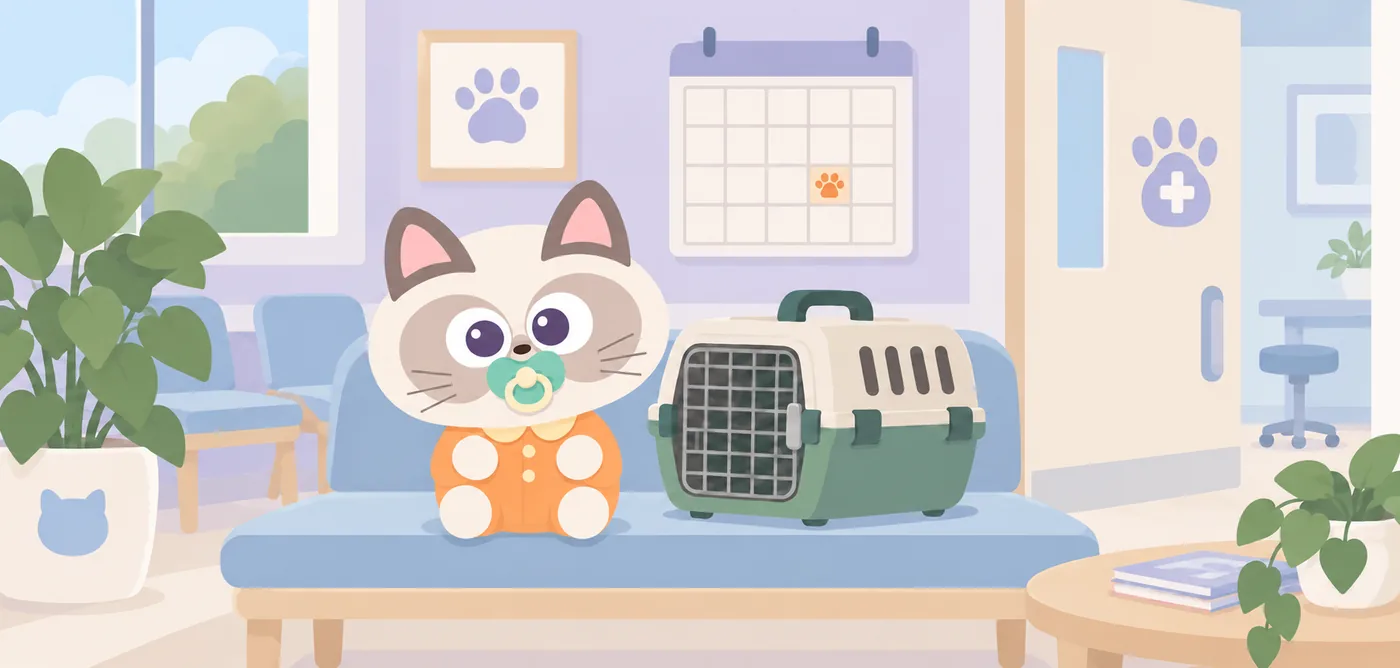
For many cats, the carrier appears only before an unfamiliar car ride and a veterinary exam. Leaving it out as a normal resting option gives you time to build a different association. This is useful even if the cat has already learned to run when the carrier comes out.
Leave the carrier open in a calm place, reward exploration and voluntary entry, then practice closing the door briefly. Add lifting and car travel in separate easy steps instead of forcing everything at once.
Let the carrier exist without a trip
Choose a secure carrier that is large enough for the cat to turn around and that you can handle safely. Place it in a quiet, familiar room with the door secured open. Add bedding that smells like home. Put a treat near the entrance, then just inside, and let the cat decide whether to investigate. Do not push or carry them in during these practice sessions.
Some cats use the carrier as a bed. Others need days of treats near it before stepping inside. Keep sessions brief and end on an easy success. The FelineVMA training resource identifies carrier training as a useful way to reduce fear around veterinary care.
Add one new sensation at a time
Once entry is easy, close the door for a moment while the cat is comfortable, reward, and open it again. Build time slowly. Next, lift the carrier a small distance and put it down. Practice carrying it through the home before adding the car. Keep each step short enough that the cat remains relaxed.
If the cat struggles, vocalizes intensely, or will not take a favored reward, return to an earlier step. Ask your veterinarian about a pre-visit plan if travel has been very stressful; do not give a sedative without veterinary direction.
Make the real trip predictable
Check that the door and latches are secure before leaving. Keep the carrier stable in the vehicle, follow local restraint guidance, and avoid opening it in an unsecured area. Bring familiar bedding and tell the clinic that your cat is nervous so they can plan a gentler arrival.
After the visit, leave the carrier available again with a pleasant experience inside. The next trip is easier to prepare for when the carrier never disappears between appointments. The new kitten checklist includes the carrier as an arrival essential, not just a travel purchase.
Make a short practice ladder
Start with the carrier in the room while nothing else happens. Reward the cat for looking at it, walking toward it, or putting one paw inside. When entering is easy, place a favorite treat at the back and let the cat leave whenever they choose. Only then practice closing the door for a second, opening it, and rewarding. Lift the carrier slightly on another day, then carry it across the room, then try a parked car. Each new sensation is a separate lesson.
Keep a note of which step the cat can do while still eating or resting normally. If the cat struggles or hides afterward, return to an easier step instead of increasing the duration. Before an appointment, ask the clinic whether it can schedule a quiet arrival or give other travel advice. A secure carrier protects the cat during transport; training helps the cat feel less threatened by it.
Sources
- Feline Veterinary Medical Association, Positive Reinforcement and Carrier Training
- American Animal Hospital Association, Feline Life Stage Guidelines
Read how DailyTails prepares its guides. This article has not been reviewed by a veterinarian.