
 DailyTails Editorial
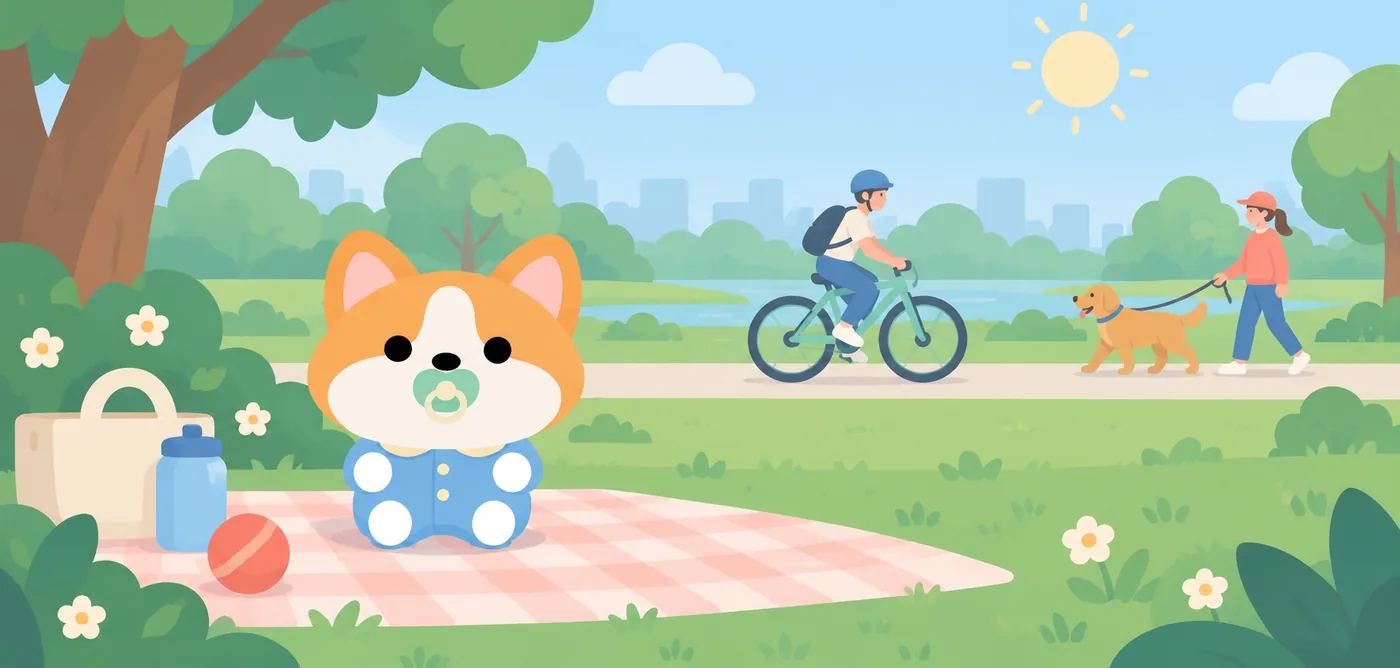
The socialization window starts before a puppy has finished every vaccine. Waiting for “fully vaccinated” to show them any part of the world can miss useful learning; taking them to high-traffic dog areas too early can create avoidable infection risk. Your veterinarian can help balance those risks for your puppy and your location.
Ask your veterinarian about local disease risk, then choose controlled, positive experiences: people, sounds, surfaces, and known healthy vaccinated dogs. Avoid crowded dog areas and unknown dogs until your vet says your puppy is ready.
Choose lower-risk places and partners
The AVSAB position statement supports early socialization while accounting for disease prevention. Ask your vet which classes and places are appropriate locally. A well-run puppy class can have health requirements and cleanable floors. Visits with a known healthy, vaccinated dog in a controlled home may be preferable to a dog park or shared public grass used by unknown dogs.
You can practice many things at home: doorbells at low volume, a carrier or car ride, a gentle brush, and handling paws for a second followed by a reward. Let the puppy choose to approach. An outing can also be a carried observation rather than walking on a risky surface.
Keep the vaccine plan alongside the learning plan
Bring the puppy's records to your veterinarian and ask when shared dog spaces are appropriate. Vaccine timing and local risks differ, and a generic online age chart cannot replace that conversation. See the puppy vaccination guide for questions to bring to the visit.
If an experience goes badly, do not repeat it at the same intensity to “get them used to it.” Return to a comfortable distance and build gradually. Good socialization teaches the puppy that they can feel safe and make choices in new situations.
Build a low-risk exposure list with your veterinarian
Ask your veterinarian which places and puppy classes are appropriate given your puppy's vaccines and local disease risk. Make a short list of sights and sounds your puppy can experience without walking through high-traffic dog areas: a quiet street viewed from your arms or a carrier, household appliances at a comfortable distance, different floor surfaces at home, and calm visitors. Pair each new experience with treats and a chance to retreat. A puppy who freezes, hides, or refuses food needs more distance or a quieter day.
Avoid forcing contact with strangers or unfamiliar dogs just to check a box. Healthy, known, vaccinated dogs in controlled settings may be options if your veterinarian agrees. Keep each outing brief enough for the puppy to recover and nap afterward. Record which experiences were easy and which were hard so the next exposure can be gentler. The aim is a puppy who learns the world is manageable, not one who has met the largest number of people before a deadline.
Sources
- American Veterinary Society of Animal Behavior, Puppy Socialization Position Statement
- American Animal Hospital Association, Canine Vaccination Guidelines
Read how DailyTails prepares its guides. This article has not been reviewed by a veterinarian.