
 DailyTails Editorial
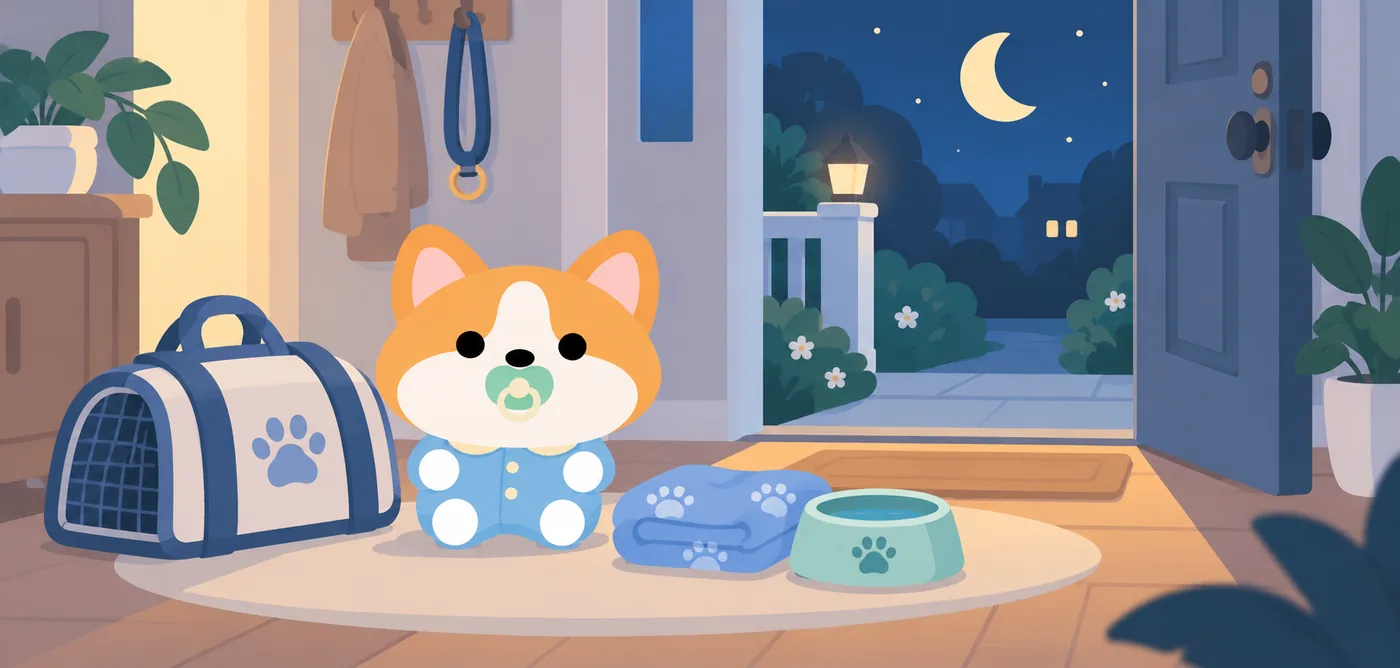
When the door opens, your dog meets a whole new world of smells, sounds, and rules. They might rush off to sniff every corner, or stay tucked away and watch. Either response is a reminder to start with a sense of safety, then build a routine together.
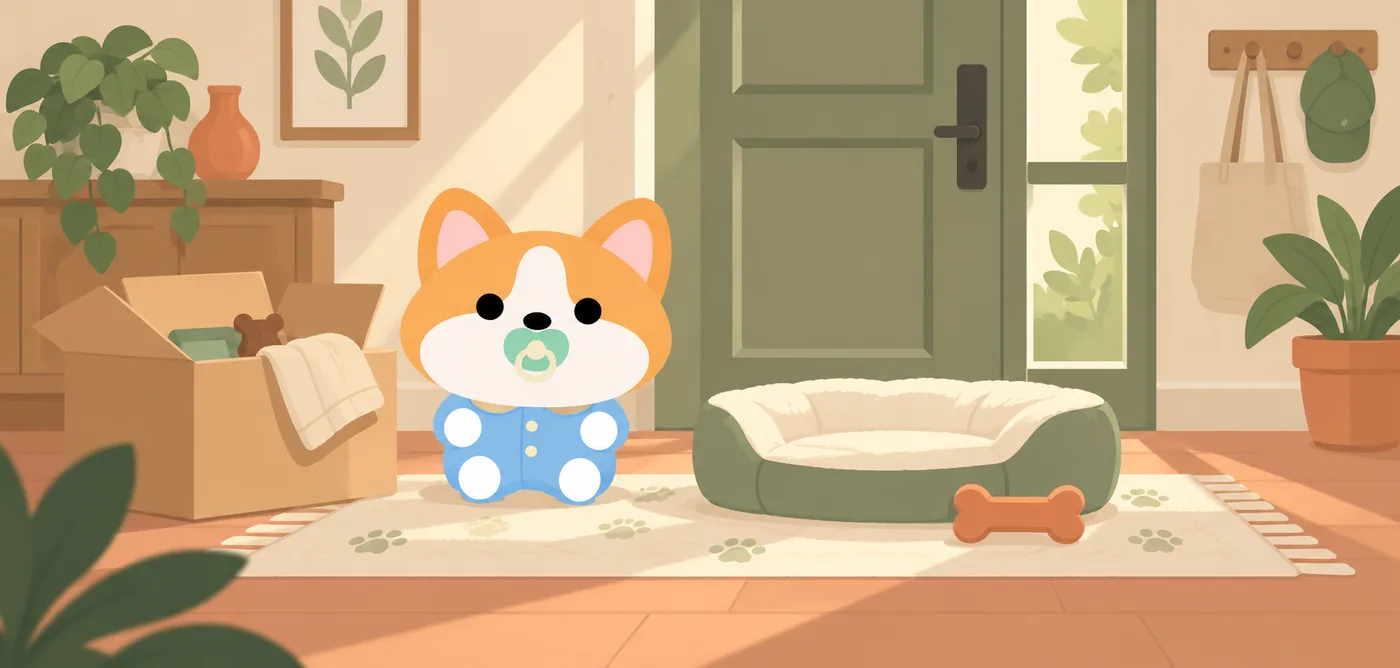
This guide is for dogs who have just arrived, from young puppies to adopted adults. Think of it as a flexible route, not a list you must finish in seven days. Eating, resting, and choosing to come closer to you are all meaningful signs of progress. Still getting ready for pickup? Start with the new puppy checklist.
- Set up a quiet place to rest.
- Keep meals, water, and potty breaks predictable.
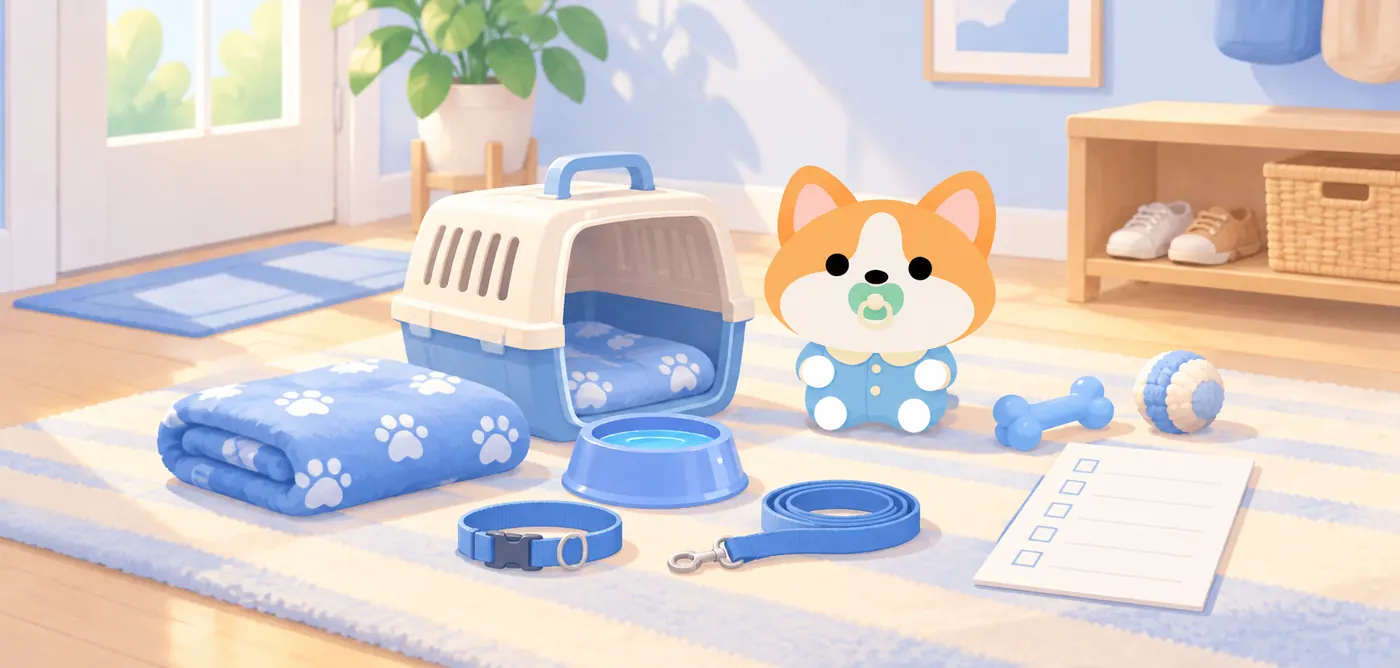
- Gather health records and book a vet visit.
Show them where they can rest
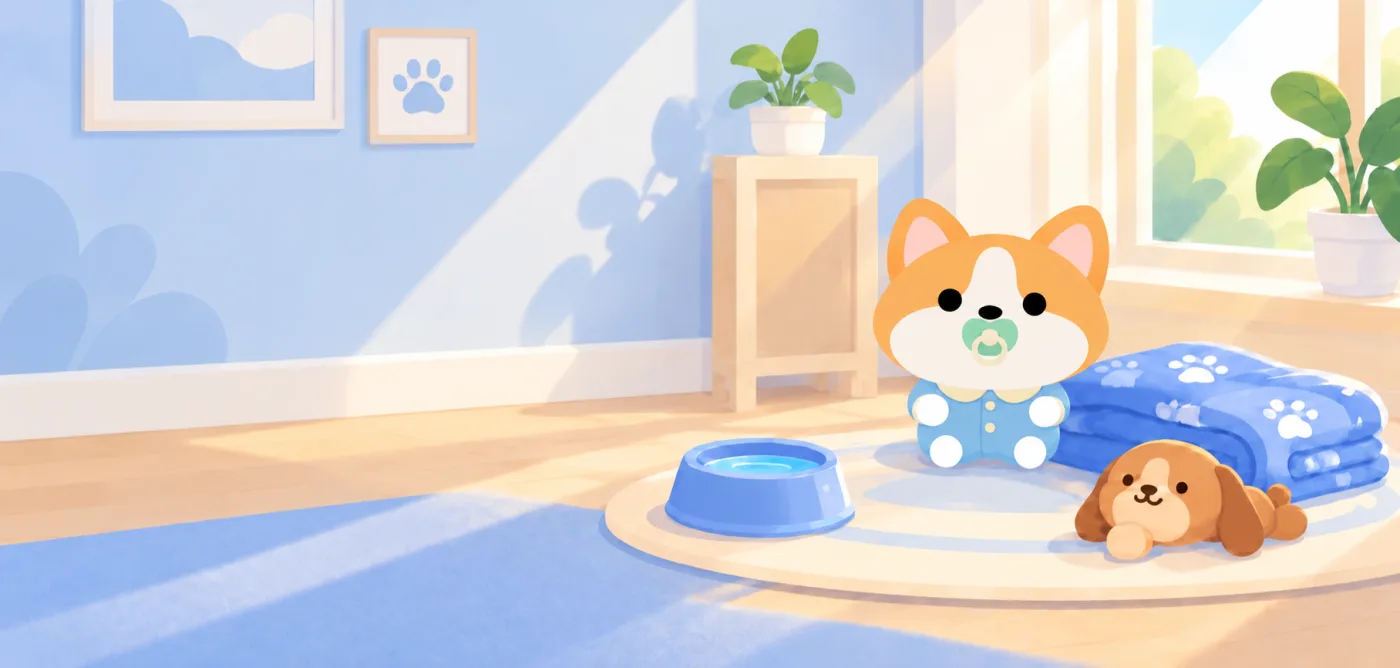
Choose a quiet, comfortable spot away from the busiest part of the house. Add a bed and a water bowl. If you have a blanket or toy that smells familiar to them, place it there too. Keep this little corner simple: somewhere to lie down, water within reach, and an easy way out.
Before your dog comes home, put away cords, medications, cleaning products, and small things they could swallow. Check doors and windows. When you arrive, show them their resting place and potty area, then let them explore a manageable space while you keep an eye on them. Family members can say hello calmly; parties, photos, and constant cuddles can wait.
What about the first night?
Offer a potty break before bed and set up their sleeping spot somewhere you can notice if they need you. A puppy may need another trip out overnight. An adult dog may also feel unsettled in a new place. If they wake up, first check whether they need to go out or have water. Keep things calm, then help them settle again.
Already have other pets? Give your new dog a separate place to settle first. Introduce them gradually and watch how everyone responds.
Build a rhythm through small repetitions
Find out what your dog was eating and how often, and keep that routine where you can. Fresh, clean water should always be available. If you need to change food, ask your vet what suits your dog's age and health, then transition gradually. Changing food, treats, and meal times all at once makes it harder to spot when something is wrong.
Potty practice can begin gently from day one. Take your dog to the same place after waking, eating, and playing, then praise them right away when they get it right. If there's an accident, clean it up calmly and consider going a little earlier next time. Puppies usually need more frequent chances than adult dogs; the interval depends on their age and needs.
A day could look like this
Make sure the space is safe and food and water are available, then let them choose when to come closer. You can sit nearby and speak softly without staring or reaching in. If hiding comes with refusing food or water, marked weakness, or other signs of illness, call your vet.
Make their world a little bigger
Once your dog can eat and rest at home and starts watching you with curiosity, you can slowly open another room or introduce another family member. Add one new experience at a time: a sound, a short interaction, or a new space. If they come closer, respond warmly. If they pull back, return to something familiar and let them rest.
Collect any health records from the shelter, breeder, or previous owner, especially vaccination, parasite prevention, and medication details. Book a vet exam soon so you can discuss your dog's health and next steps based on their age, records, and local risks. If you have a puppy, ask when public spaces and introductions to other dogs are appropriate.
At the end of the week, look for small changes
Can they fall asleep more easily in their spot? Do they seem to expect meals at familiar times? Have they started coming over to sniff or watch you? These little changes tell you more about settling in than whether they can sit on cue or greet everyone. Slow progress does not mean you've done something wrong; some dogs simply need more time.
Three common first-week questions
They follow me everywhere. Can I ever leave them alone?
In a new place, your dog may want to keep track of where you are. First help them get comfortable with their resting spot and daily rhythm. Then practice briefly stepping into another room. If being apart leads to ongoing panic, destruction, or an inability to settle, ask your vet or a qualified behavior professional for help.
They had an accident indoors. Did potty training fail?
No. Clean it up, then look for the pattern: did it happen after a nap, a meal, or play, or simply after too long a break? Next time, head to the usual spot a little earlier and reward success right away. Puppies and newly rehomed adults may both need plenty of practice.
When can they meet friends and other dogs?
First give your dog time to eat and rest comfortably at home. Then plan short, controlled introductions. A puppy's vaccination status affects which places are suitable, so take their records to your vet and ask what makes sense for this dog.
Your first-week checklist
Small things that matter. Your checks are saved in this browser.
If your dog has trouble breathing, seems markedly weak, keeps vomiting or having diarrhea, or refuses water, don't wait for the week to end. This is a general care guide; your vet can advise on your dog's specific situation.
Sources
- ASPCA: Adoption Tips — preparing for a new pet and helping them settle in
- VCA: Housetraining for Puppies and Dogs — potty routines
- VCA: General Feeding Guidelines for Dogs — food and water
- PetMD: Your Puppy's First Vet Visit — what to prepare and discuss
- VCA: Emergencies in Dogs — urgent concerns
Read how DailyTails prepares its guides. This article has not been reviewed by a veterinarian.