

 DailyTails Editorial
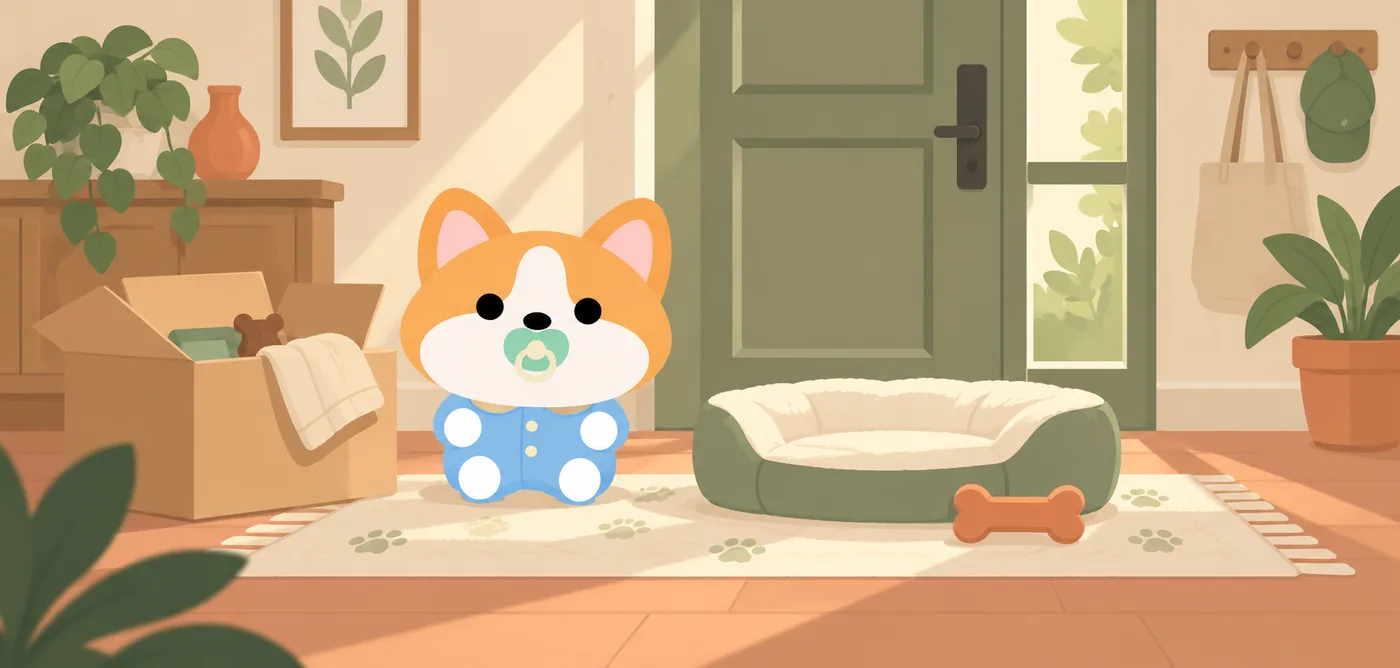
An adopted adult dog brings a history you may know only partly. Some explore at once; others sleep, hide, or stay close to one person. “Three days, three weeks, three months” is a popular phrase, but it is not a timetable for an individual dog. Pay attention to this dog's comfort and physical needs instead.
Start with a small, quiet home area, familiar food, predictable walks and rest, and limited introductions. Watch eating, drinking, toileting, and body language. Ask the rescue and your veterinarian about any changes that worry you.
Begin with less space and fewer visitors
Prepare a resting area away from the busiest path through the home. Show the dog water, a toilet route, and where they can sleep. Keep the first days quiet. Skip the welcome party and give children and other pets separate spaces until everyone has settled. Let the dog approach people rather than asking them to tolerate constant handling.
Ask the shelter, foster caregiver, or previous home about food, medicine, walks, sleep, and triggers. Keep meals familiar if possible and change food gradually with veterinary advice. Arrange an early vet exam and bring every record you received. Save the nearest emergency clinic contact before you need it.
Use a routine you can actually keep
Choose regular times for meals, toilet outings, rest, and low-pressure walks. Let sniffing be part of a walk. Reward the behaviors you want, such as checking in or settling on a mat. Avoid testing whether the dog can handle a crowded cafe or an off-leash park before you understand their response to simpler places.
Keep brief notes on appetite, drinking, stools, sleep, and moments of worry. A dog may be quieter than expected after a move, but refusal to eat, repeated vomiting, diarrhea, difficulty breathing, pain, or inability to urinate calls for veterinary advice. A change that worsens should not be dismissed as “just adjustment.”
Introduce people and animals by choice
One calm person at a time is enough. Tell visitors to ignore the dog until they choose to approach, and provide a clear way to retreat. If there is a resident dog, plan separate resources and follow a gradual dog introduction rather than bringing both into a doorway together.
Progress may look like eating a meal, sleeping deeply, taking a toy, or choosing to come closer. For a broader arrival plan, read your dog's first week at home. You do not need to earn trust by making every day busy.
Keep the first week deliberately small
Choose one quiet sleeping area, one toilet route, and predictable meal times. Let the dog explore at their own pace and keep visitors to a minimum. Write down eating, drinking, toileting, sleep, and what situations make them comfortable or worried. This gives you a baseline for the first veterinary visit and helps you avoid mistaking stress for stubbornness. A dog who will not approach should have space and an easy exit rather than being followed or reached for.
Introduce household members one at a time. Show children how to invite contact and stop when the dog moves away. Delay dog-park visits and crowded outings until you know the dog's health, social comfort, and local requirements. A quiet sniffing walk and rest can be more useful than a packed welcome schedule. If appetite, energy, or toileting worries you, contact your veterinarian; if fear or guarding persists, ask a qualified reward-based professional for support.
Sources
- BC SPCA, Bringing a New Dog Home
- American Society for the Prevention of Cruelty to Animals, Separation Anxiety
Read how DailyTails prepares its guides. This article has not been reviewed by a veterinarian.