
 DailyTails Editorial
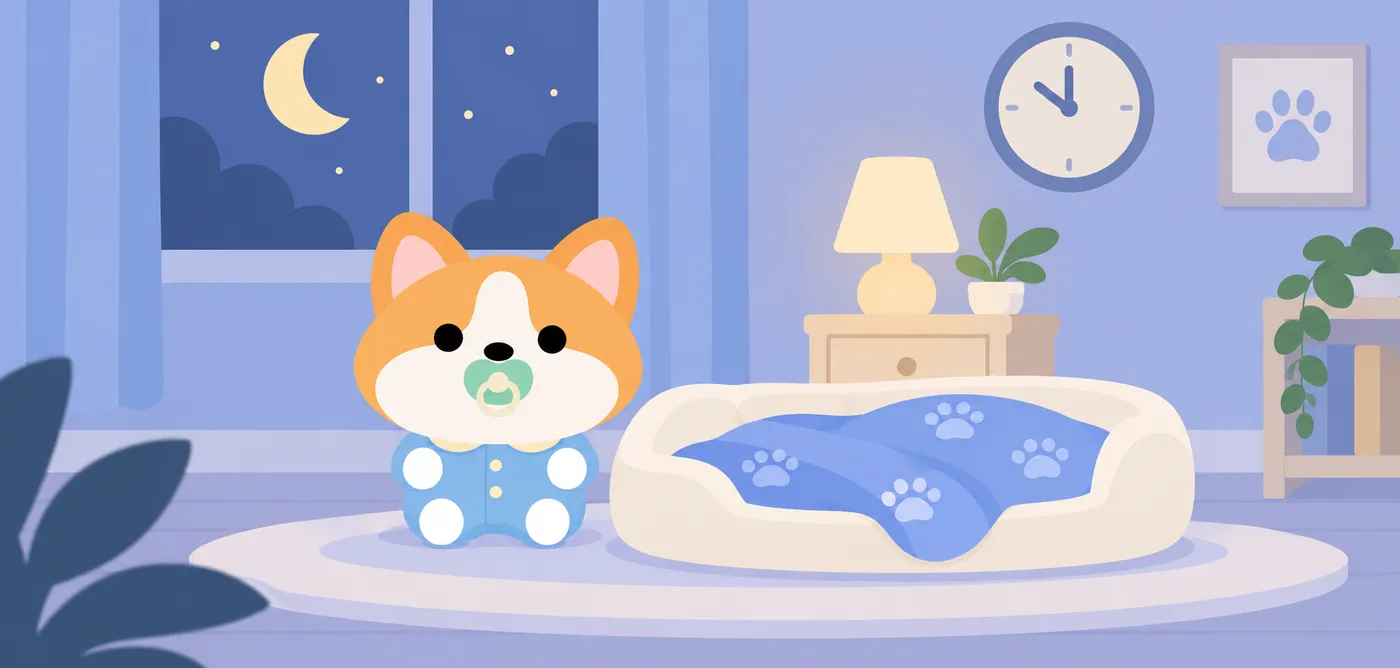
Puppies can look endlessly energetic until they suddenly fall asleep. Some become mouthy or frantic when they need a nap, which can look like a training problem. Rather than forcing an exact hour-by-hour chart, make room for a repeating cycle of toilet, food, play, and rest.
Give a puppy a quiet, safe place to nap after activity, and expect rest to take up much of the day. Pair waking with a toilet trip and keep bedtime predictable. Seek veterinary advice for a sudden, concerning change in energy.
Build a flexible wake–activity–rest rhythm
Take the puppy to their toilet spot when they wake. Feed at the planned meal time, then offer another break, gentle play, and a little training or exploration. After activity, help them settle in a quiet area. The AKC sleep guide describes puppies as needing a large amount of sleep, often around 18–20 hours, but individual patterns vary.
Short naps may be more realistic than one long daytime sleep. Keep noise, visitors, and handling away from the rest area. Children should know the puppy is not available for play while asleep. A crate can be one option if introduced comfortably; a pen or gated room can also work.
The number of hours is a broad description, not a target to force. Watch whether your puppy can settle, wakes comfortably, and has enough energy for ordinary play. A new home, a vaccination visit, or a busier day can change the pattern for a while. Record what is normal for your own puppy instead of comparing every nap with an online chart.
Let bedtime follow the day's needs
Keep the evening calmer, give a final toilet opportunity, and use the same safe sleep place. Young puppies may still need an overnight toilet break. If they wake and cry, check that need and their comfort before assuming the behavior should be ignored. The first-week guide covers a gentle response to settling in.
Note the puppy's waking, meals, naps, and play for a few days. If late-evening biting follows a long stretch without rest, move a nap earlier. If the puppy is awake and worried every time they enter the sleep area, make the area more positive during the day instead of closing them in longer.
Set up a safe place to rest
Choose a quiet area away from constant foot traffic, with comfortable bedding appropriate for the puppy's chewing habits. Check that the space is not too hot or cold, that water is available according to your veterinarian's plan, and that the puppy can be heard if they need you overnight. Remove loose cords and anything they could swallow while unsupervised.
Let the sleep area become familiar during the day. A calm treat, a short rest with you nearby, and freedom to leave when practical can make it less alarming. A crate is one option, but it is not a requirement for a healthy schedule; a puppy-safe pen or room may suit your home better. The goal is a place where rest is possible, not a place used to punish noisy behavior.
Match meals and toilet opportunities to this routine. A puppy who wakes hungry or urgently needs to go outside may not settle because the schedule asks them to. The feeding guide explains how to build meals around your puppy's growth and your veterinarian's advice.
Separate normal sleep from illness
A puppy who is sleeping peacefully, wakes easily, eats, drinks, and plays at their usual level is different from one who is weak, hard to rouse, refusing food, vomiting, or having diarrhea. Call your veterinarian promptly for those changes. A sudden shift from this puppy's usual energy deserves attention even if an online sleep-hours chart says the number is normal.
Use the schedule as a way to protect rest and notice patterns. It should not become a rule that prevents a needed toilet break, a meal, or a medical check.
Sources
Read how DailyTails prepares its guides. This article has not been reviewed by a veterinarian.