
 DailyTails Editorial
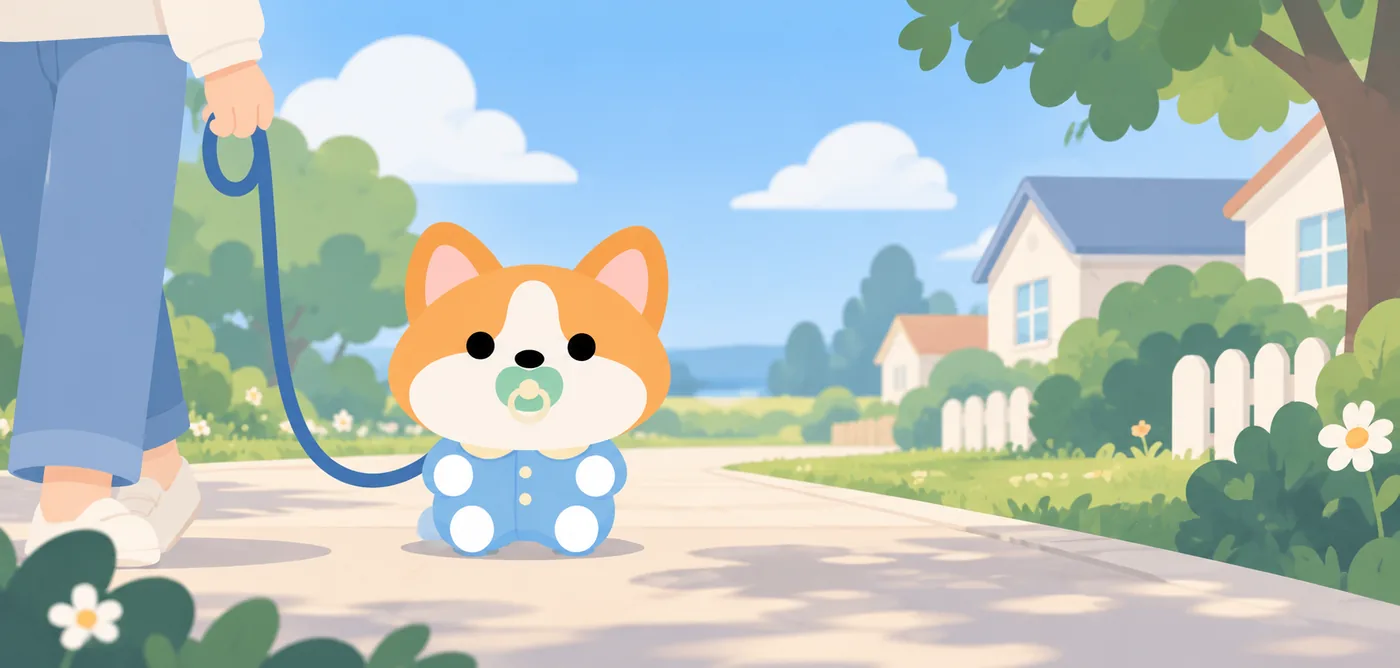
Many dogs pull because getting somewhere interesting has worked before. A walk also contains smells, people, and sounds that compete with your attention. Start by teaching what a comfortable leash feels like where success is easy, then carry that skill into the neighborhood.
Begin in a quiet place, reward your dog for staying near you, and stop or change direction when the leash tightens. Resume when it loosens. Practice short, successful sessions before adding busy streets.
Check the setup first
Use a well-fitted harness or collar appropriate for your dog and a leash you can hold comfortably. Check that the dog cannot back out of the gear. A retractable leash makes a constant changing distance harder to learn. If your dog pulls strongly enough to hurt you or themselves, ask a reward-based trainer about equipment and a safe plan.
Practice indoors or in a quiet yard. Let the dog notice the leash, then reward a step beside you with slack in it. Take a few steps, reward again, and stop while both of you are doing well. A formal heel is not required; the aim is that neither of you is being dragged.
Make slack the way forward
On a walk, pause when the leash tightens. Wait for the dog to look back or take a step that loosens it, then mark and reward that choice and continue. If a distraction is too strong, turn away or increase distance before trying again. Repeatedly walking toward the exciting thing while the leash is taut teaches pulling instead.
Let sniffing be a reward when it is safe. You can walk a few loose steps toward a tree, then invite the dog to explore it. This makes the skill relevant to what the dog wanted. Keep sessions short and use a quiet route before practicing beside dogs, traffic, or food on the ground.
Adjust the plan to the dog in front of you
A newly adopted dog may first need time to feel safe outdoors. A puppy may be physically unable to focus for a long walk. If your dog lunges, freezes, or barks at triggers, that is more than ordinary pulling; seek a qualified trainer and consider a veterinary check for pain or discomfort.
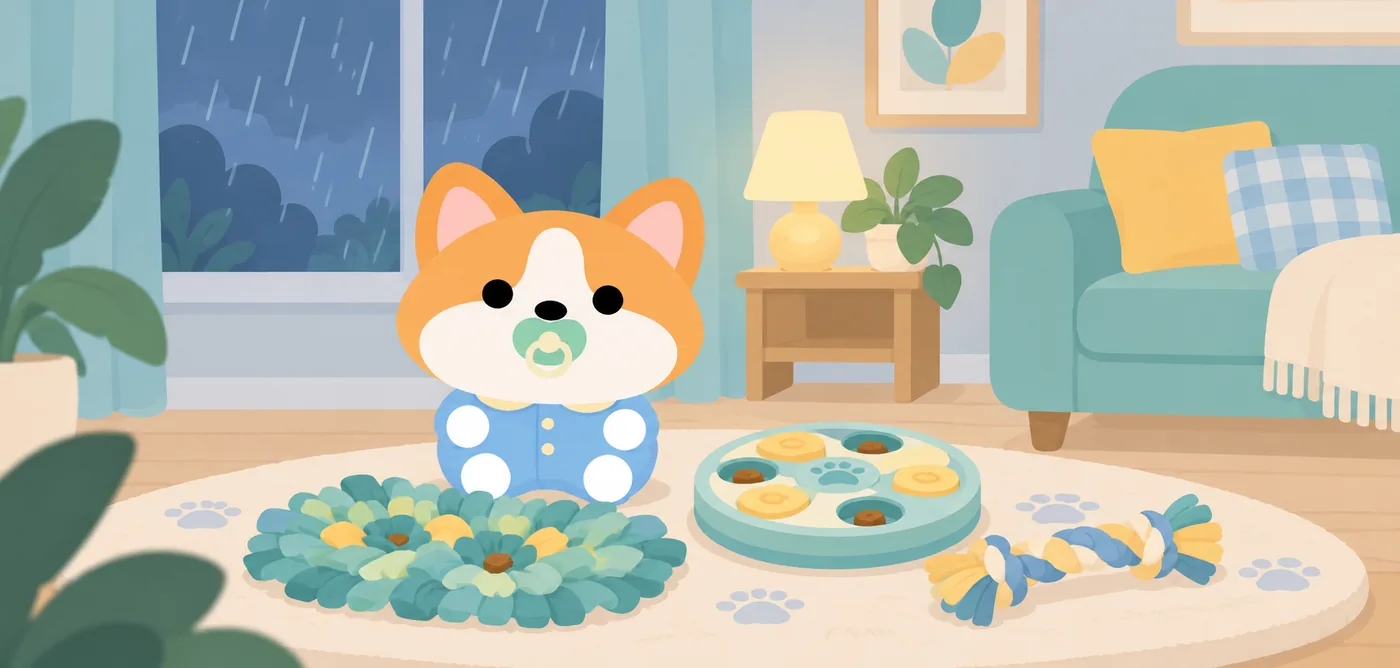
On days when a walk is too difficult, meet some activity needs with indoor enrichment. Progress is measured by more loose steps and easier recovery, not by completing the longest route without a single pull.
Practice one block as a training session
Before leaving, decide on an easy route and bring small rewards your dog will take outdoors. Begin with a few loose-leash steps near home. Mark and reward beside your leg, then give permission to sniff. If the leash goes tight, stop moving toward the interesting thing. Wait for slack or turn to a quieter direction, reward, and try again. If you have to stop every second, the setting is too difficult; shorten the route or practice at a quieter time.
Count short stretches of comfortable walking rather than measuring whether the dog pulled at all. Over a week, note which corners, dogs, or sounds make the leash tighten. Start farther away from those triggers next time. A dog who freezes or lunges needs a different plan from a dog who simply walks faster than you. Avoid dragging them past the trigger; ask a reward-based professional for help and discuss sudden behavior changes with your veterinarian.
Sources
- American Kennel Club, Teach a Puppy to Walk on a Leash
- American Kennel Club, Step-by-Step CGC Training
Read how DailyTails prepares its guides. This article has not been reviewed by a veterinarian.