
 DailyTails Editorial
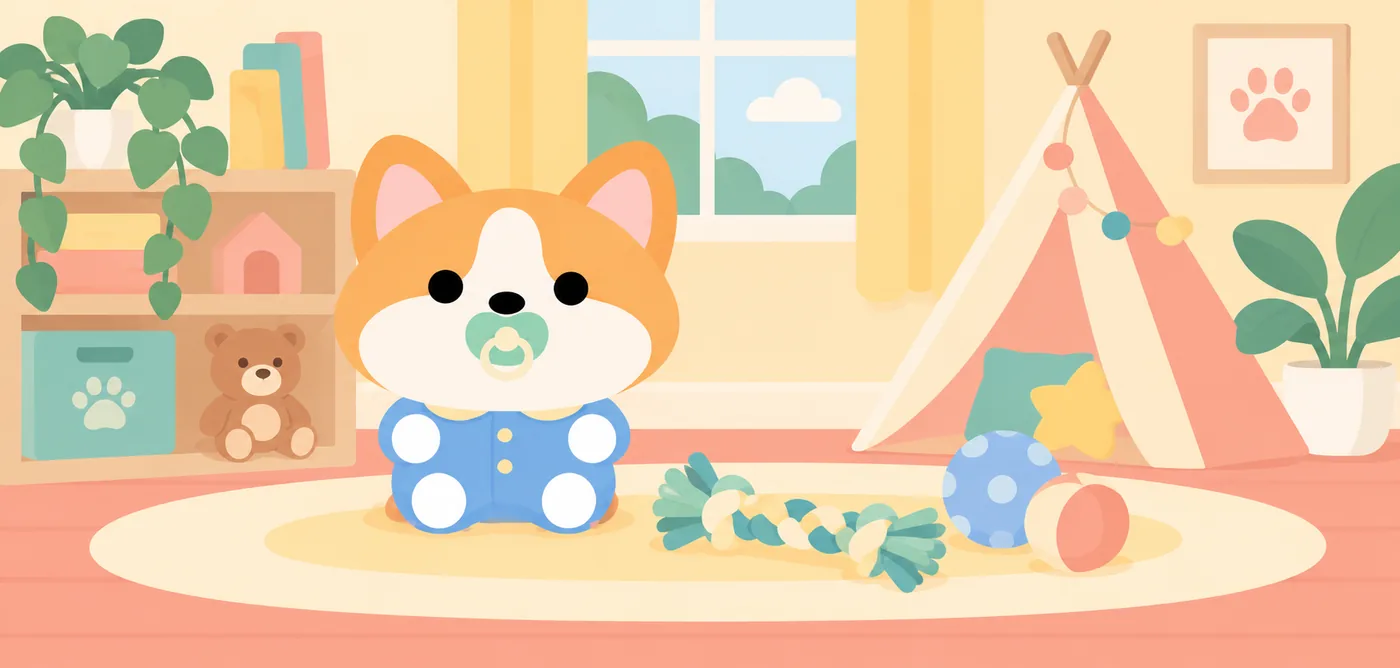
Puppies explore with their mouths, and teething can add to the urge to chew. That does not make bitten hands pleasant, especially for children. The useful question is what the puppy was doing just before the bite: playing, becoming overexcited, asking for a break, or grabbing a moving sleeve.
Keep an appropriate toy close, redirect teeth from skin to the toy, and pause play briefly if biting becomes too hard. Protect sleep and toilet breaks. Seek qualified help for fearful, escalating, or injurious biting.
Set up play so teeth have a target
Keep a few safe, puppy-sized toys within reach. Start a game with a toy between your hand and the puppy's mouth. If teeth touch skin, become still and offer the toy. Reward the moment they take it. When play becomes too wild, stop briefly, give everyone space, and restart at a calmer level.
Do not use hands as wrestling toys and then expect the puppy to know when hands are off limits. Ask children to avoid running, squealing, or pulling a toy away during a biting spell. Supervise every child–puppy interaction and give the puppy a protected rest space.
Look for the need underneath the bite
Some puppies become mouthier when overtired, hungry, thirsty, or due for a toilet break. Note the time of day and what happened before the behavior. A short nap or a quieter activity may work better than another round of training. Offer chews suited to the puppy's size and chewing style, and supervise new items.
If the puppy grabs ankles as you walk, pause movement and redirect to a toy or scatter a few food rewards away from your feet. Practice in a quiet room before trying to manage the behavior when guests arrive. Consistency matters more than a dramatic correction.
Know when biting needs another kind of help
Avoid hitting, muzzle grabbing, or frightening the puppy. Those responses can increase fear and make it harder to read their warning signs. If biting is accompanied by stiff posture, guarding, growling, fear, or repeated skin-breaking injuries, seek help from a veterinarian and a qualified reward-based behavior professional. Sudden biting in a previously gentle puppy can also signal pain.
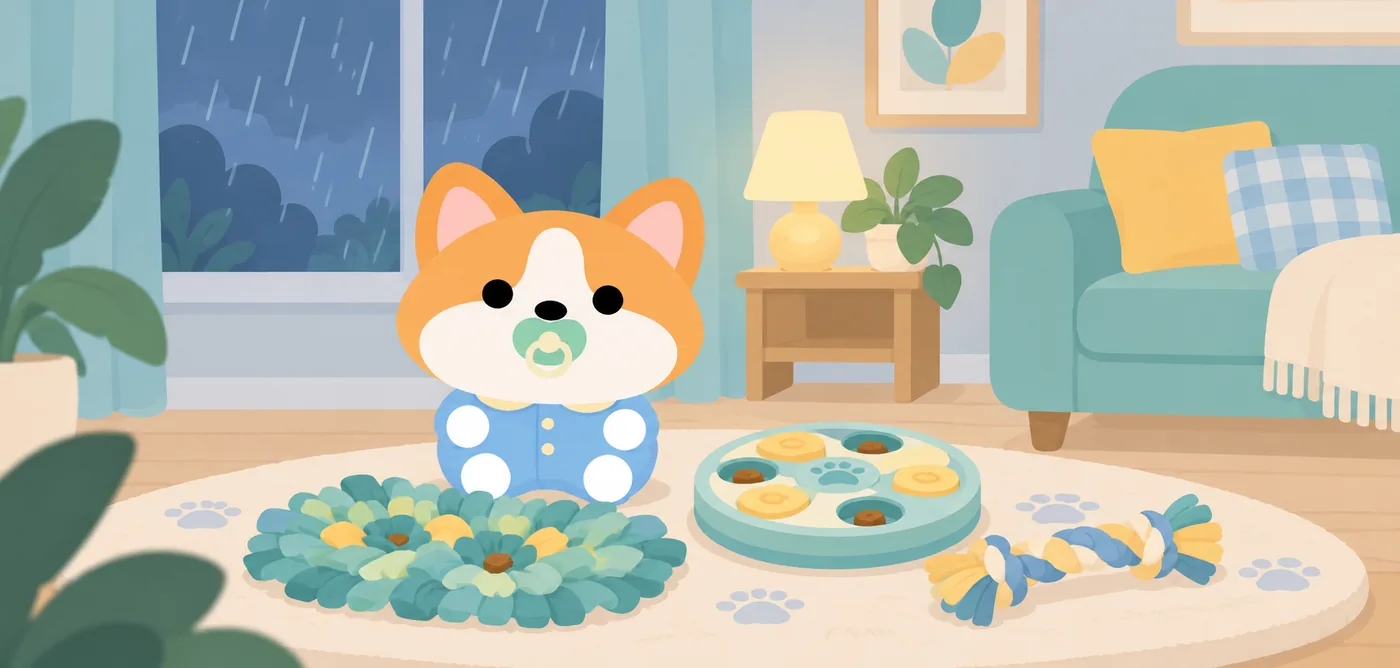
For calmer daytime activities, see indoor enrichment ideas. The goal is not to stop every use of the mouth overnight; it is to give the puppy a predictable way to play safely.
Respond the same way each time
Keep a few safe toys within reach in the rooms where play happens. When teeth touch skin, pause movement, offer the toy, and praise the puppy for taking it. If they are too excited to switch, end the game calmly for a short break. Resume when they can engage more gently. Avoid rough hand wrestling that teaches hands are toys, and avoid shouting or holding the muzzle shut. Those reactions can frighten a puppy or make play more intense.
Look for the pattern behind the biting. Does it peak before a nap, after a long visit, or when children run past? Move rest earlier or make play simpler before the difficult time. Give children a toy to toss or drag at a safe distance rather than asking them to tolerate teeth. If bites break skin, the puppy stiffens or guards objects, or the behavior escalates despite a calmer routine, seek a veterinary and qualified training assessment.
Sources
Read how DailyTails prepares its guides. This article has not been reviewed by a veterinarian.